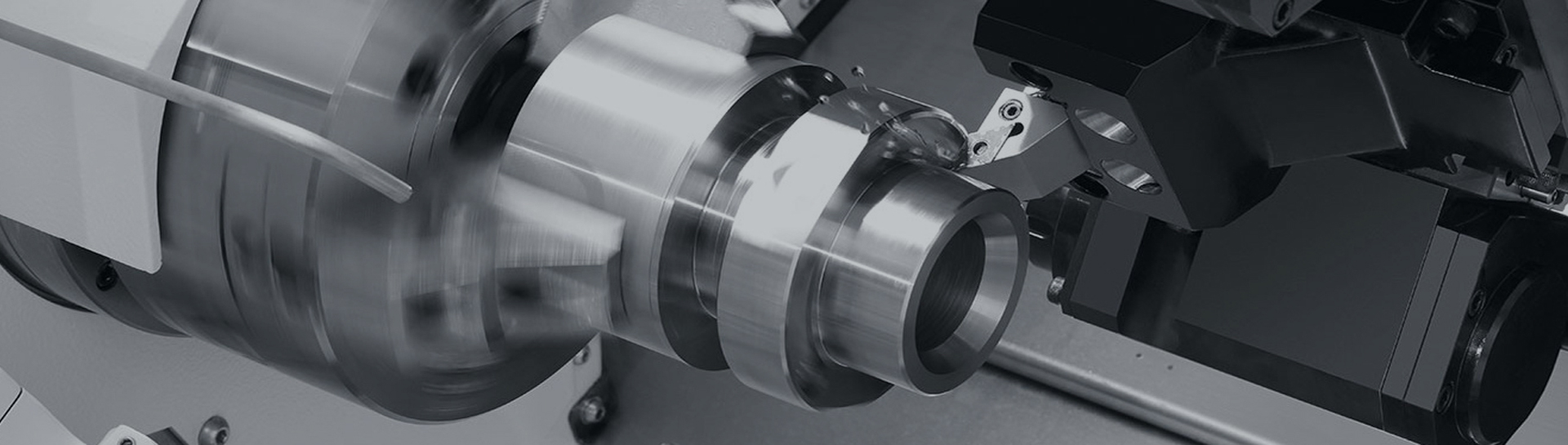
A drum gear coupling is a high-performance, heavy-duty flexible coupling that transmits torque between two shafts while accommodating significant angular, radial, and axial misalignments. It is widely recognized as one of the most robust power transmission components in industrial machinery.
Structure and Working Principle
The drum gear coupling consists of two external gear sleeves with drum-shaped (convex arc) teeth and two internal gear rings with straight teeth. The external teeth are precision-machined to form a spherical profile, with the center of the sphere lying on the coupling axis. When torque is applied, the drum-shaped teeth mesh with the internal teeth, allowing smooth relative movement between the two halves. This unique design enables the coupling to compensate for misalignment without causing edge contact or excessive stress, ensuring reliable power transmission even under severe operating conditions.
Key Advantages
High Torque Capacity: Capable of transmitting extremely large torques, making it ideal for heavy machinery.
Excellent Misalignment Compensation: Accommodates greater angular, radial, and axial displacements compared to straight-tooth gear couplings.
Long Service Life: The drum tooth design reduces wear and stress concentration, extending operational life.
High Efficiency: Offers near-100% transmission efficiency with minimal power loss.
Compact Design: Optimized geometry results in a smaller footprint and lower moment of inertia.
Typical Applications
Drum gear couplings are extensively used in heavy industrial sectors where high torque and reliability are critical, including:
Metallurgical equipment (rolling mills, crushers)
Mining machinery (conveyors, excavators)
Lifting and hoisting equipment
Marine propulsion systems
Large pumps and compressors