The development of coupling technology has paralleled the advancement of industrial machinery. Early couplings were simple rigid connections, but as machinery became more complex and operating conditions more demanding, flexible couplings evolved to meet these challenges. The 20th century saw significant innovations, including the development of elastomeric couplings for vibration damping, high-performance gear couplings for heavy industry, and precision disc couplings for servo applications.
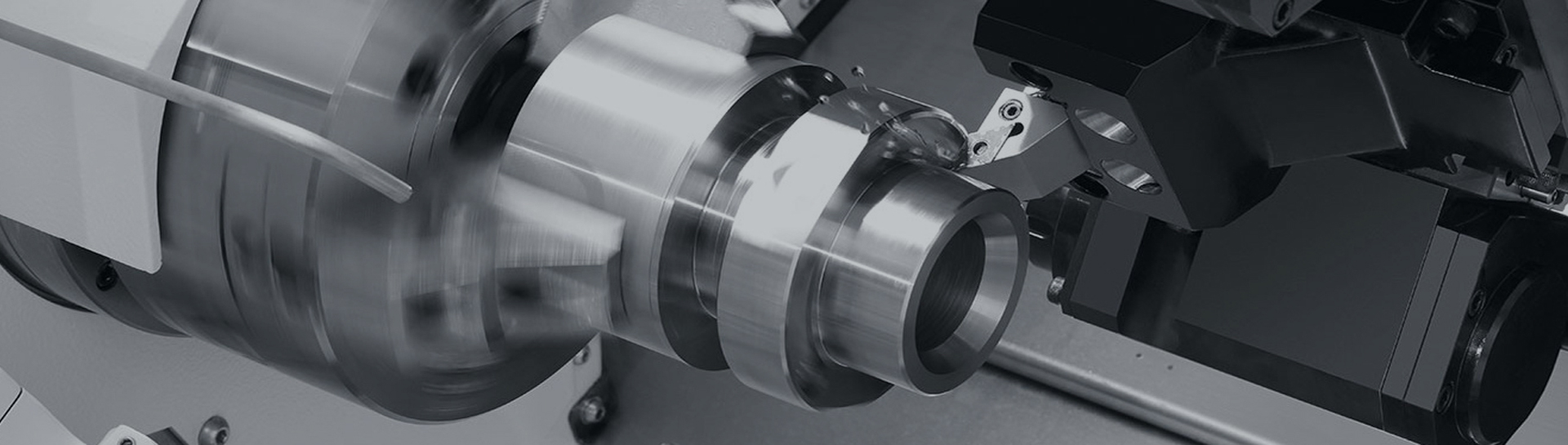
Modern coupling design incorporates advanced materials, computer-aided engineering, and sophisticated manufacturing techniques. Finite element analysis (FEA) allows engineers to optimize stress distribution, while computer numerical control (CNC) machining ensures precise manufacturing tolerances. These advancements have resulted in couplings with higher torque capacity, reduced weight, improved misalignment capabilities, and longer service life.
Material Science in Coupling Development
The selection of materials plays a crucial role in coupling performance. Traditional materials like cast iron and steel remain popular for their strength and durability, but modern couplings increasingly use advanced alloys, composites, and specialized polymers. Elastomeric elements in jaw couplings use high-performance polymers that resist wear, chemicals, and temperature extremes. Disc couplings utilize high-strength stainless steel alloys for fatigue resistance, while magnetic couplings employ rare-earth magnets for maximum torque transmission.
Surface treatments and coatings enhance performance further. Hardened gear teeth, corrosion-resistant coatings, and specialized surface finishes improve wear resistance and extend service life in harsh environments.
Smart Couplings and Condition Monitoring
The integration of sensors and monitoring systems represents the cutting edge of coupling technology. Smart couplings can monitor torque, temperature, vibration, and alignment in real-time. These systems provide early warning of potential failures, enabling predictive maintenance and reducing unplanned downtime. Wireless sensor networks allow remote monitoring of critical equipment, while data analytics help optimize maintenance schedules and improve overall system reliability.
Condition monitoring technologies include vibration analysis, thermography, and acoustic emission testing. These techniques can detect developing faults before they cause catastrophic failures, allowing for planned maintenance and component replacement.
Environmental and Efficiency Considerations
Modern coupling design must address environmental concerns and energy efficiency. Lightweight materials reduce energy consumption by lowering rotating mass, while improved designs minimize power losses due to friction and misalignment. Sealed couplings prevent lubricant leakage, reducing environmental contamination and maintenance requirements.
Regenerative braking systems in electric vehicles and industrial machinery use specialized couplings to manage energy recovery. High-efficiency couplings in wind turbines and other renewable energy applications help maximize power generation while reducing maintenance costs.
Future Trends and Innovations
The future of coupling technology includes several exciting developments. Additive manufacturing (3D printing) enables complex geometries and customized designs that were previously impossible. Self-lubricating materials reduce maintenance requirements, while shape-memory alloys and smart materials could enable adaptive couplings that change their properties in response to operating conditions.
Digital twin technology allows virtual testing and optimization of coupling designs before physical prototypes are built. Artificial intelligence and machine learning algorithms can analyze operational data to predict failures and optimize performance.
Magnetic and electromagnetic couplings continue to evolve, offering contactless power transmission with zero wear and minimal maintenance. These technologies are particularly valuable in applications requiring hermetic sealing or operation in hazardous environments.